细菌细胞结构:一个介绍bacterial cell Virtual Lab
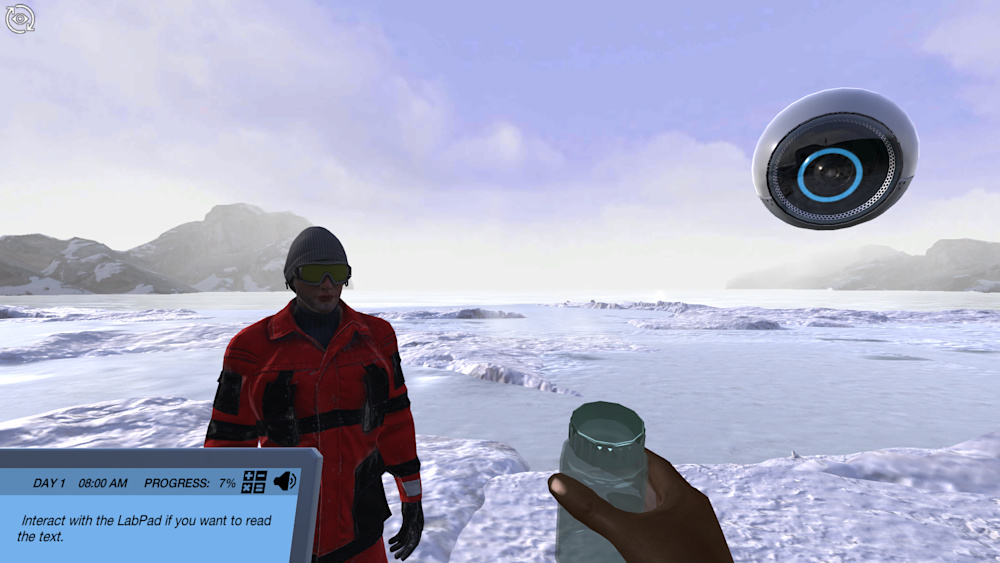
Visit a research station in Antarctica and help the researcher Nicolas explore bacteria in melting water. Uncover the features that are necessary for bacterial survival and compare these to other bacteria living elsewhere.



Try Labster's 30-Day All-Access Trial for Free
Discover one of our 200+ simulations today
- Description
- Features
About the Bacterial Cell Structures: An introduction to the bacterial cell Virtual Lab
Global warming is causing the ice to melt in Antarctica, leading to the discovery of bacteria that have survived this extreme environment. In this simulation, you will learn about bacterial cell structures and how these are important for bacterial survival.
Identify bacteria in a sample from Antarctica
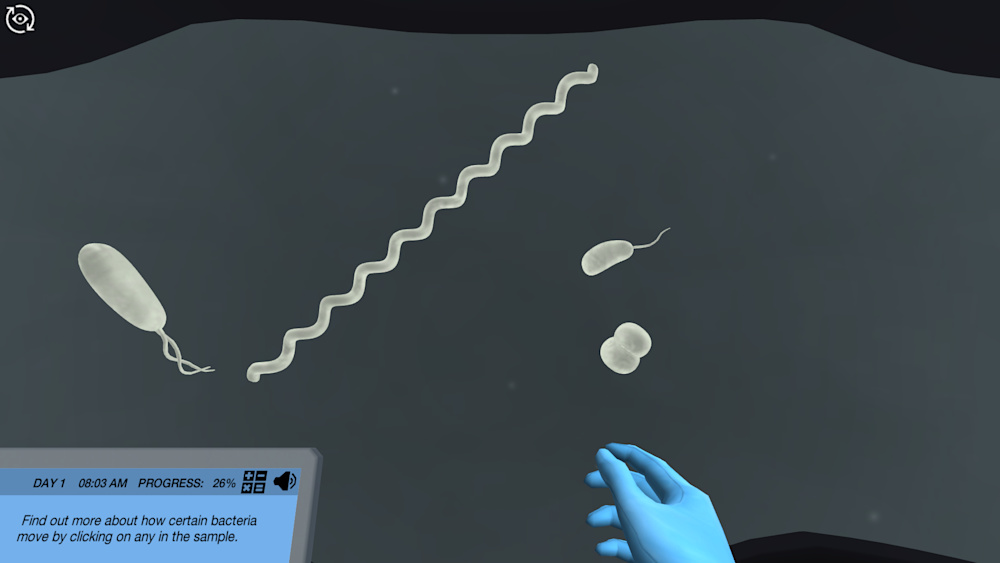
First you will collect a sample of melted ice from Antarctica that contains various bacteria. Your task is to investigate what is in the sample, and which bacterial cell structures are important for bacterial survival.
Study and assemble bacterial cell structures
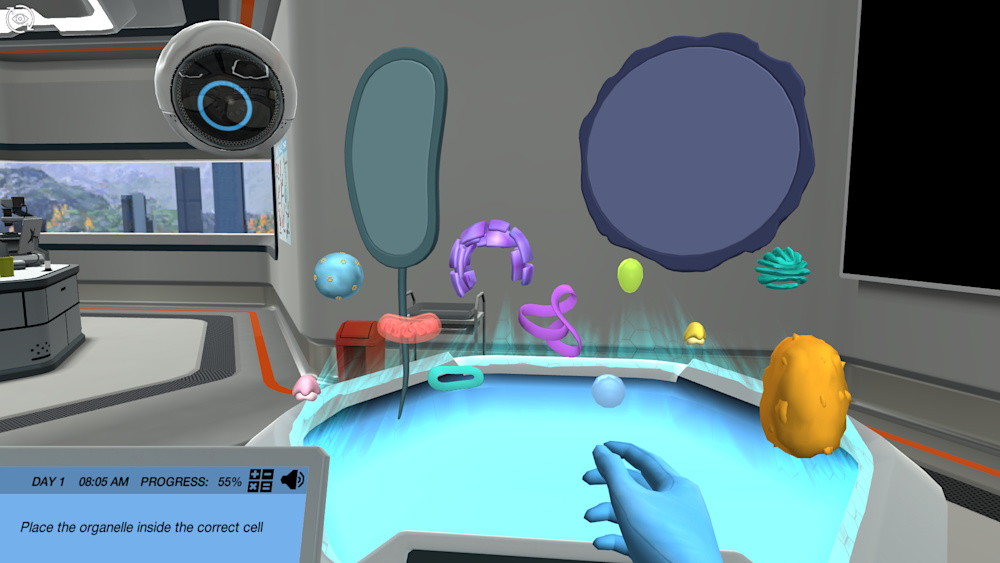
In order to analyze your bacterial sample and to understand the bacterial cell’s internal and external structures, you will explore the motility features and shapes of bacteria in your sample. You will also compare the outer and inner bacterial cell structures to that of the Eukaryotic cell and assemble the cytoplasmic content of the bacterial and the Eukaryotic cell.
Apply your knowledge
Finally, you will compare your bacterial cell structures to other bacteria and learn which cellular structures are important for the bacteria to survive in extreme environments. Can you help the Arctic researchers decide which survival features they should study?
Visit a research station in Antarctica and help the researcher Nicolas explore bacteria in melting water. Uncover the features that are necessary for bacterial survival and compare these to other bacteria living elsewhere.
At the end of this simulation, you will be able to...
- Describe the general bacterial cell structure and function, including differentiating between the most common shapes of bacteria and cell arrangements.
- Describe the general bacterial cytoplasmic content and compare it to eukaryotic cytoplasmic content.
- Describe special features of bacteria such as plasmids, flagella or inclusion bodies and how they are necessary for bacteria to survive.
Length: 36 Minutes
Accessibility mode: Available
Languages: English (United States), Spanish, French, German, Italian
No direct alignment
1.2 Ultrastructure of cells
No direct alignment